The iPhone Duo reminds me why I love technology.
The iPhone Fold, the folding iPhone, The Fold, iFold; all the names it didn't actually turn out to be. Much like when Apple announced the iPad, everyone knew what was coming, but nobody quite guessed the name.
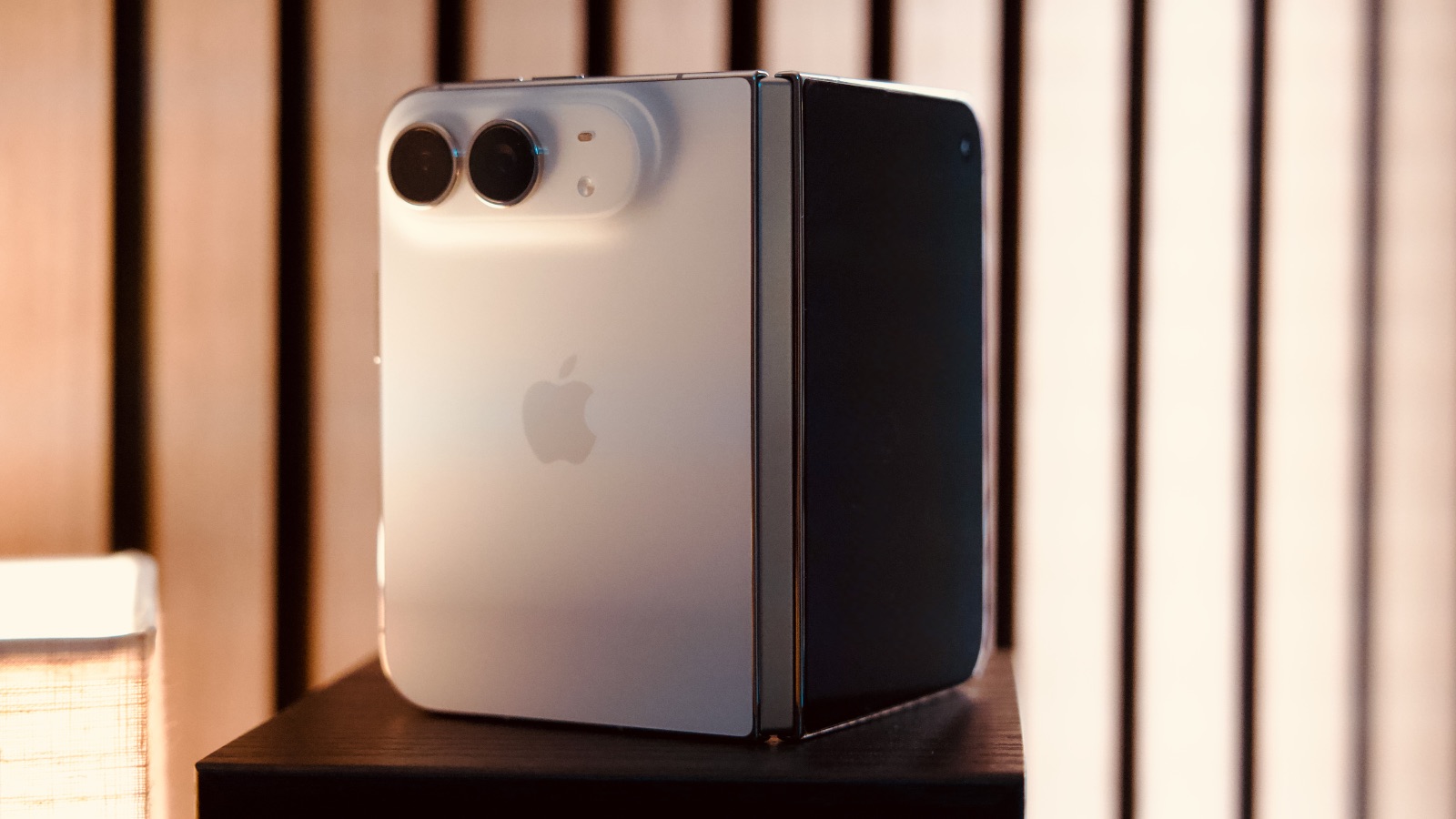
The iPhone Duo is Apple's first foldable iPhone, and it's been met with mixed opinions. Some point to its shortcomings compared to the iPhone 18 Pro, while others praise Apple for its approach to the design and form factor.
I'm not going to bury the lede here: I like it. A lot.
I'm one of those nerds who buys the latest and greatest iPhone every year. Part of it is FOMO, but mostly I enjoy being on the bleeding edge of technology. I've worked hard in my career to reach a point where I can budget for this annual splurge, and it brings me joy.
This year was different. Apple announced the iPhone 18 Pro/Pro Max and the Duo at the same time, but the foldable wouldn't ship until more than a month later. I knew I wanted to try it, but as a fallback, I ordered a black iPhone 18 Pro Max. Apple had wooed me with its new variable aperture camera.
That's largely been the story since the iPhone 12. Similar designs, modest upgrades, and few groundbreaking features have made the past six years of iPhone development pretty boring.
source: Reddit
Think about how often you use your phone and the muscle memory you've developed for navigating, scrolling, and taking photos. The Duo represents the first fundamental change to my most-used device since the iPhone X in 2017.
Within minutes of using the Duo, I was reminded of the first time I tried the iPhone X and how dramatically it changed the way I interacted with my phone.
Everything Felt Different
After nearly a decade of Face ID, I was back to Touch ID.
The outer display felt tiny after years of using increasingly large iPhones.
The Dock had moved to the right side instead of its familiar home along the bottom.
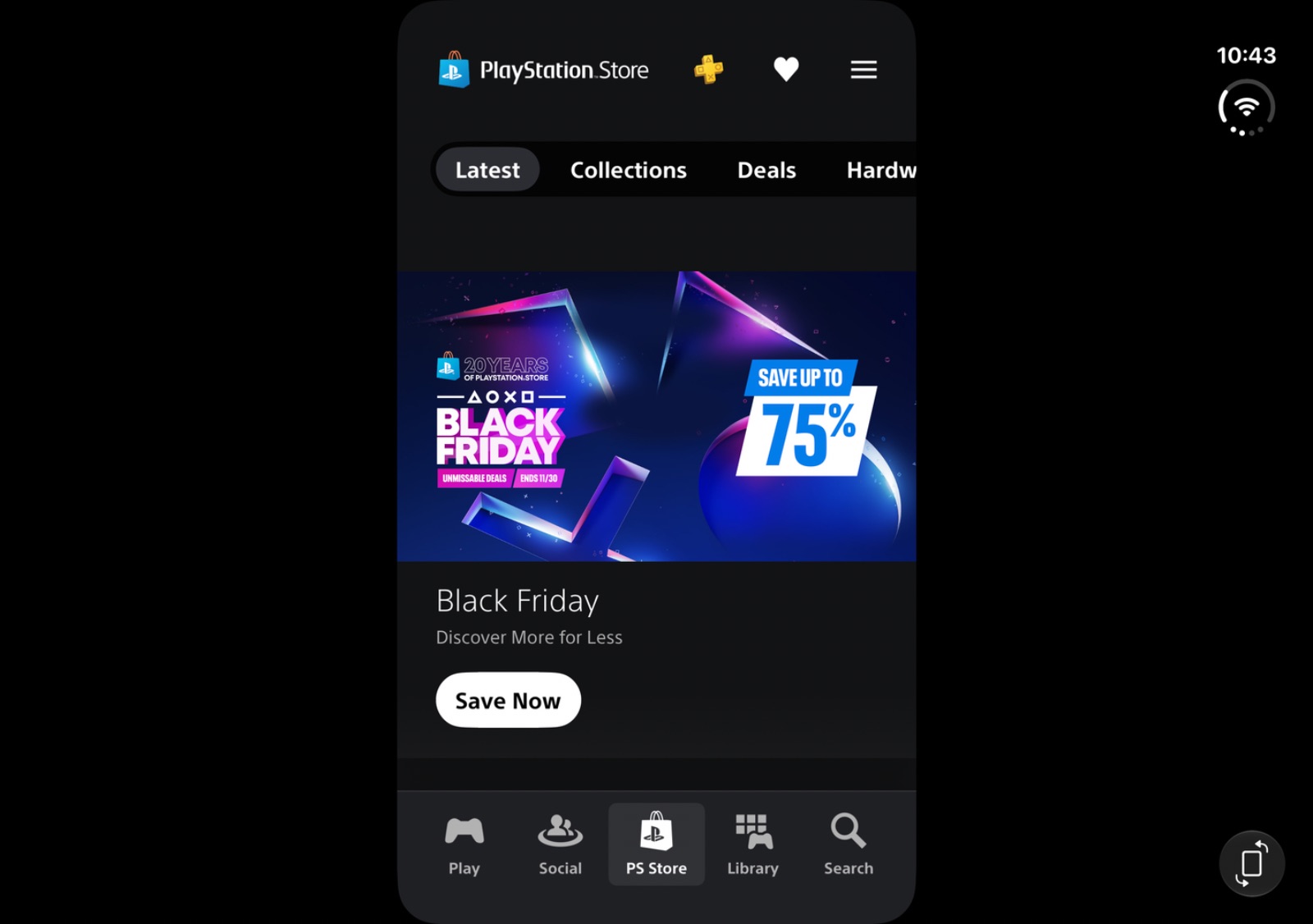
Plenty of apps weren't optimized for the new layout, leaving black bars, awkward scaling, and buttons out of reach.
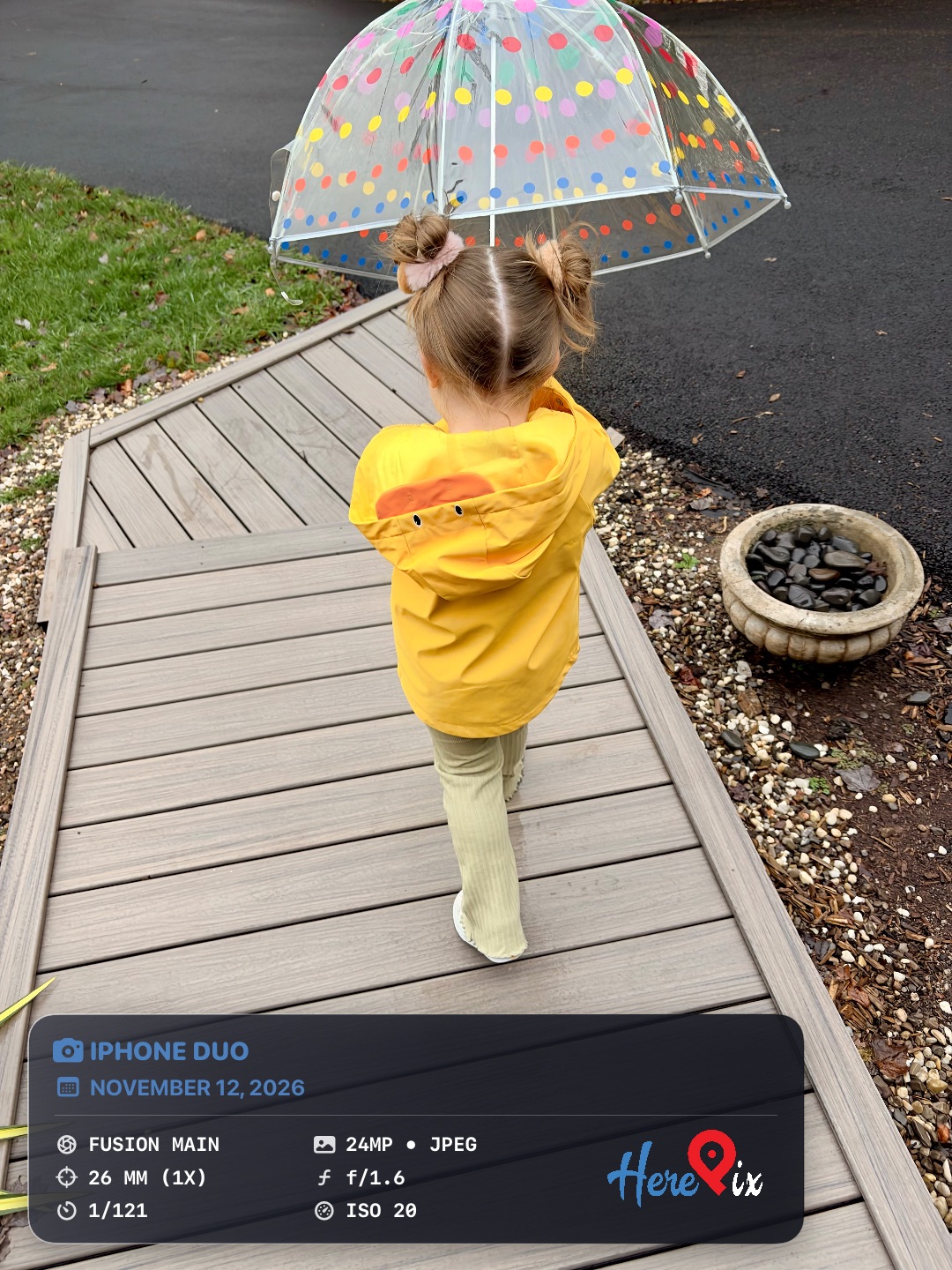
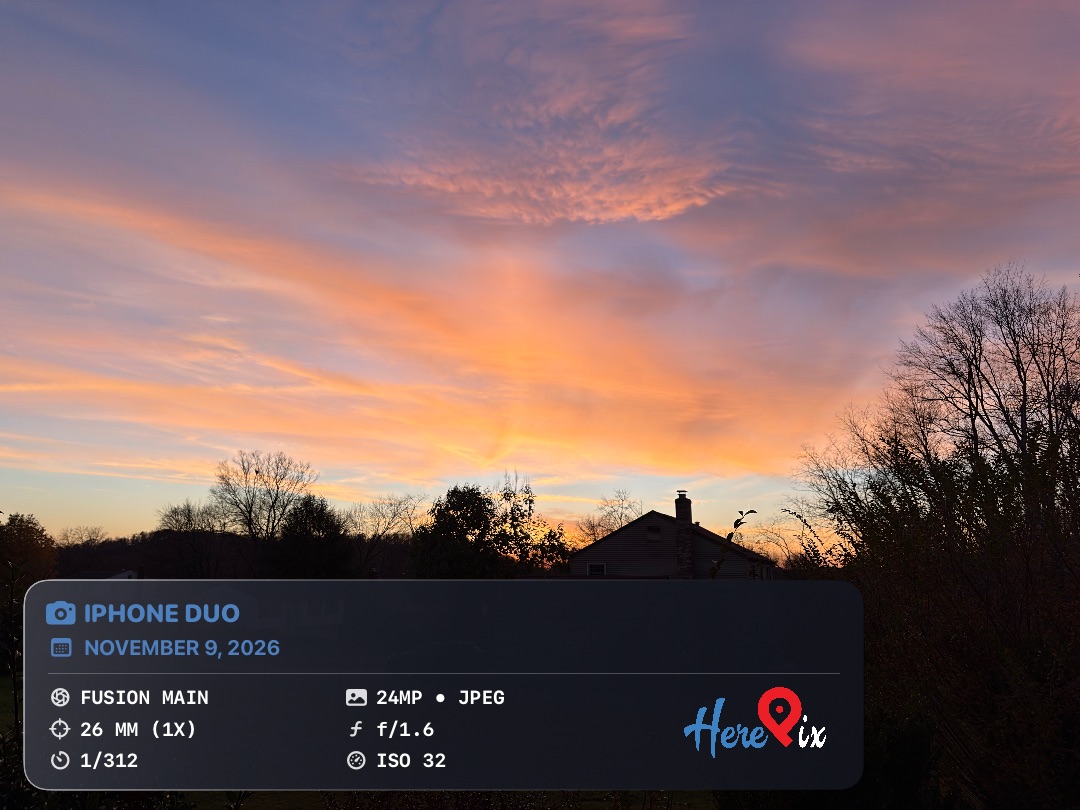
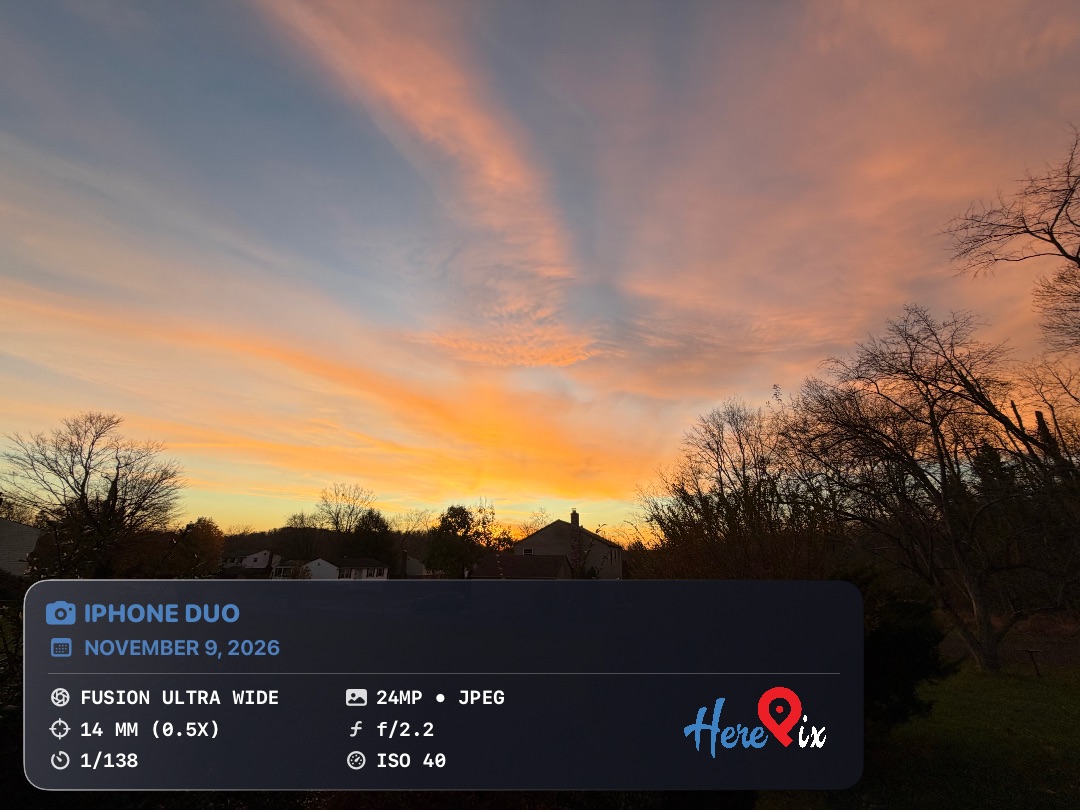
Coming from a Pro Max, I've grown accustomed to having three rear cameras: an ultra-wide with macro capabilities, a main lens, and a dedicated telephoto. The Duo retains the first two, but loses the longer optical zoom. That was my biggest concern before buying it.
Turns out, I don't miss it. Yet.
I've been using the iPhone Duo for about two weeks as I write this. Initially, I was blown away by the form factor, the novelty, and just how cool the device felt. I wanted to give myself enough time for the honeymoon period to wear off before collecting my thoughts.
Not much has changed since day one. I've simply gotten used to everything, and it's starting to feel normal again.
Living with Touch ID
Moving from Face ID back to Touch ID has been surprisingly painless. The main reason is that I wear my Apple Watch roughly 23 hours a day, and Apple has added a faster unlock process that uses the watch to authenticate. In practice, unlocking my Duo feels just as quick as Face ID did.
Where I notice the difference is when logging into apps or using Apple Pay. Those interactions still require Touch ID, and I haven't completely adjusted to resting my finger on the power button instead of simply looking at the screen.
Without Apple Watch unlock, I suspect I'd feel very differently about this change.
Apple recently introduced a new feature in the iOS 27.3 beta that uses the Duo's outer front camera to recognize your face and unlock the device. It's somewhat like Face ID, but less secure, limited to the Lock Screen, and unavailable in low light. It also requires a recent Touch ID or passcode authentication, so it isn't a full replacement.
It's a welcome addition for people who don't wear Apple Watches, but in my testing, watch-based unlocking is still faster and more reliable.
Another beta feature is the ability to automatically lock the phone when you close it. I had already recreated this behavior using the built-in Shortcuts app.
Maybe it's muscle memory from the flip-phone days, but closing a device feels like it should lock it. Previously, folding the Duo simply transferred everything to the outer display, sometimes resulting in accidental touches.
It's a small change, but one that makes the experience feel more natural.
I could probably write 10,000 words about my experiences with the Duo, but let's get into some quick hits before that happens.
The Bigger Screen Changes Things
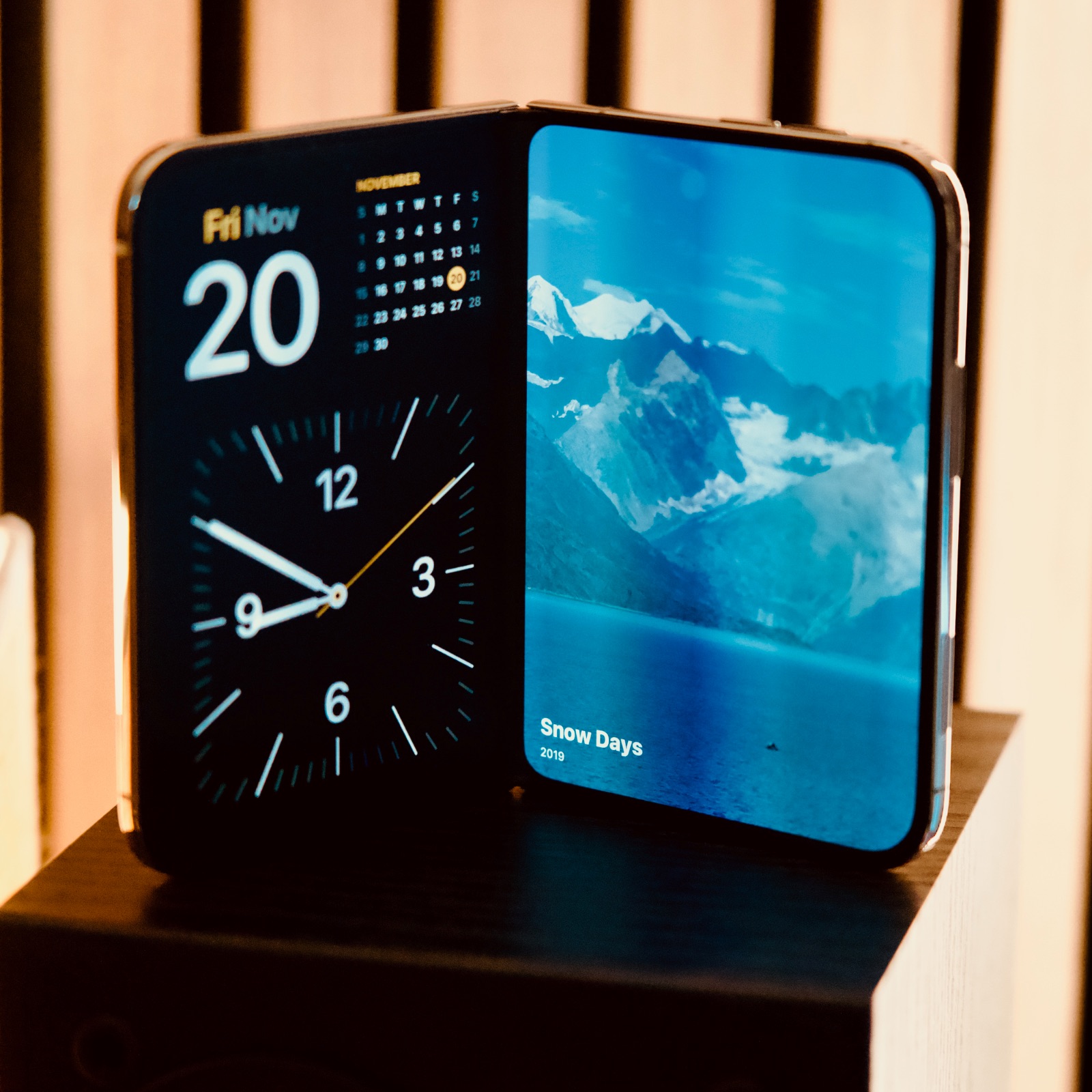
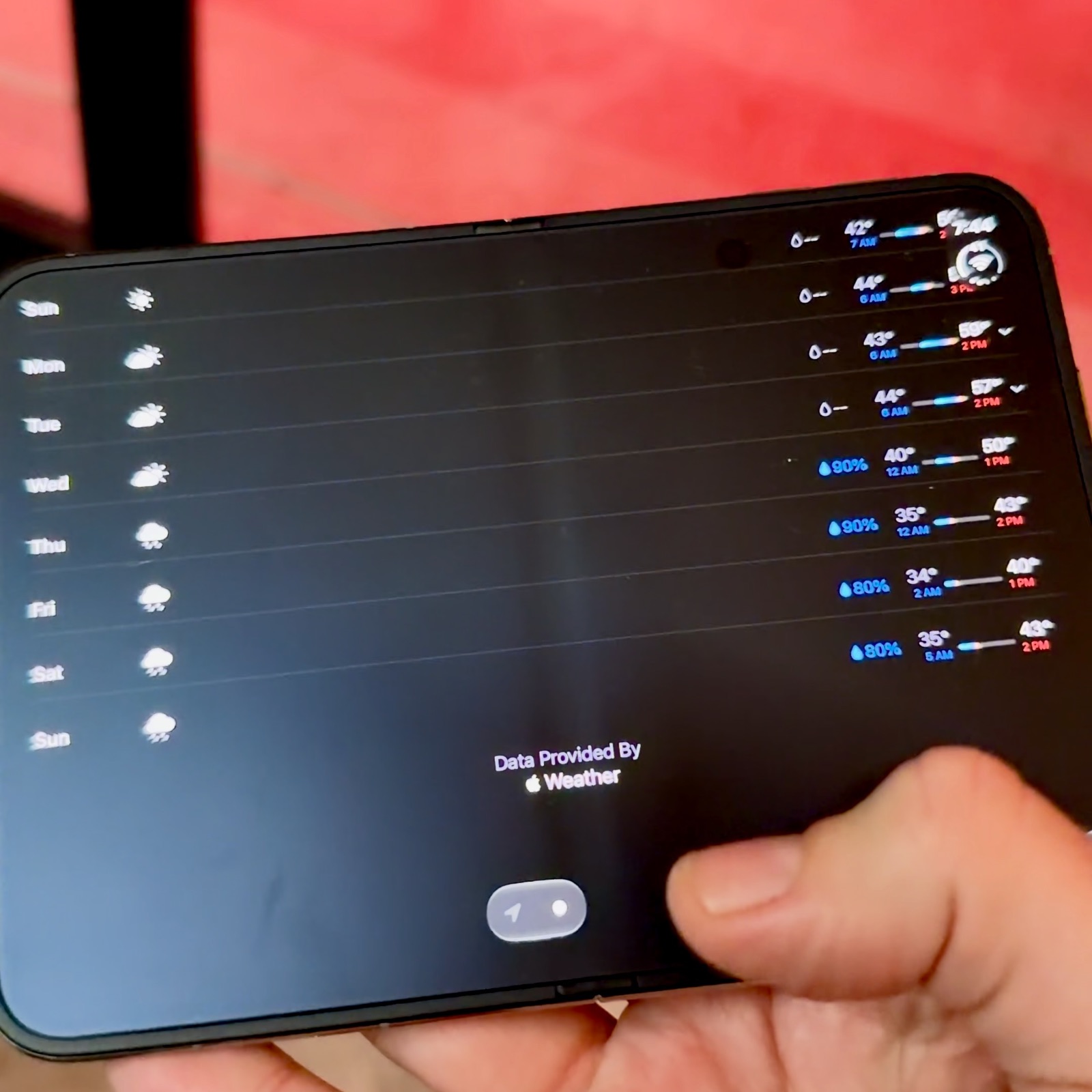
When I unfold the Duo, I almost always use the inner screen in landscape orientation. It feels like an iPad mini that fits in my pocket. Apple added a Duo-exclusive iOS feature that lets you run two apps side by side. I use it to keep Messages open while scrolling Reddit or to compare prices in two Safari windows while holiday shopping. Rotate to portrait, though, and that functionality disappears. Suddenly, it's just a wider Pro Max again.
I'm also still figuring out how to hold the thing. I added PopSockets' new MagSafe Lo-Pro Grip & Stand attachment, which helps considerably, but the magnet placement isn't ideal for every orientation.
Opening the Duo never feels like a chore, but I rarely feel compelled to do it unless I want to multitask. Most of the added functionality is limited to landscape mode, and sometimes I find myself folding it closed just to get back to the familiar one-handed iPhone experience.
Things I Like
Having a larger screen when I need it. The ability to unfold my phone for more involved tasks is genuinely useful. It's not something I need constantly, but having that extra space available changes what I'm willing to do on my iPhone.
The matte inner display. I'm a big fan of Apple's nano-texture display treatments. While this isn't my favorite implementation, it reduces reflections and gives the foldable a distinct feel.
The tiny, squat outer screen. Before using the Duo, I assumed I'd constantly open it to access the larger display. In reality, about 65–70% of my usage happens on the outside. It's small, but it looks great and gets the job done.
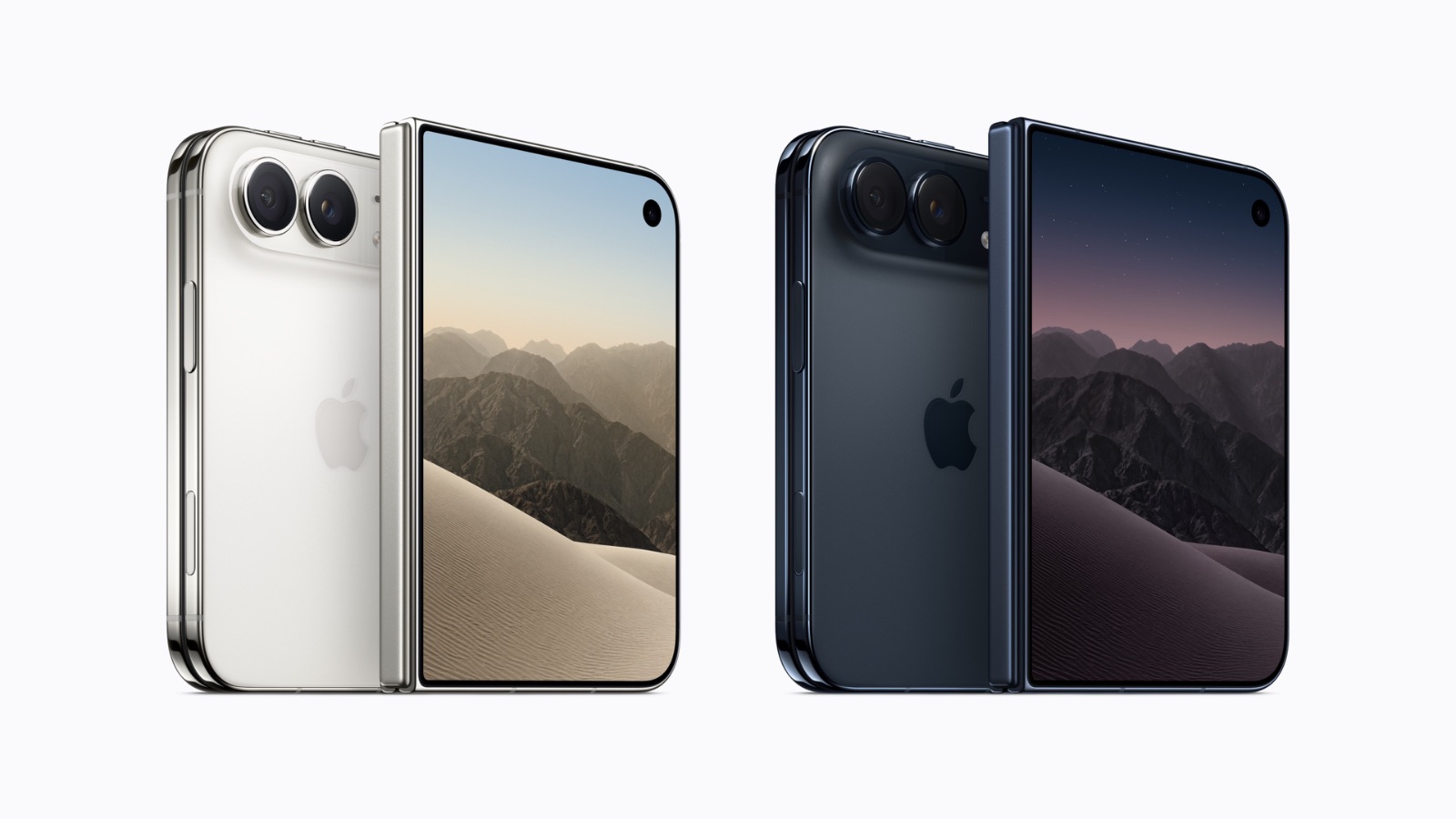
The look and feel. The polished titanium frame and smooth back remind me of the iPhone X. I chose Star White, and the overall design is gorgeous.
Things I'm Unsure About
The crease. Everyone talks about it. Initially, it was almost invisible to me. Now, after a couple of weeks, it seems more noticeable than it did on day one. It doesn't bother me, but I'm curious how it will look and feel six months from now.
The missing telephoto camera. With winter approaching and the days getting shorter, I haven't been taking as many photos. So far, I haven't needed the reach of my 18 Pro Max's telephoto lens. I'm waiting for the inevitable moment when I do and find myself shaking my fist at the sky.
The honeymoon period. Am I really past it? I'm approaching the end of my return window, and I still love this thing. But will I feel the same way a month or two from now?
Things I Dislike
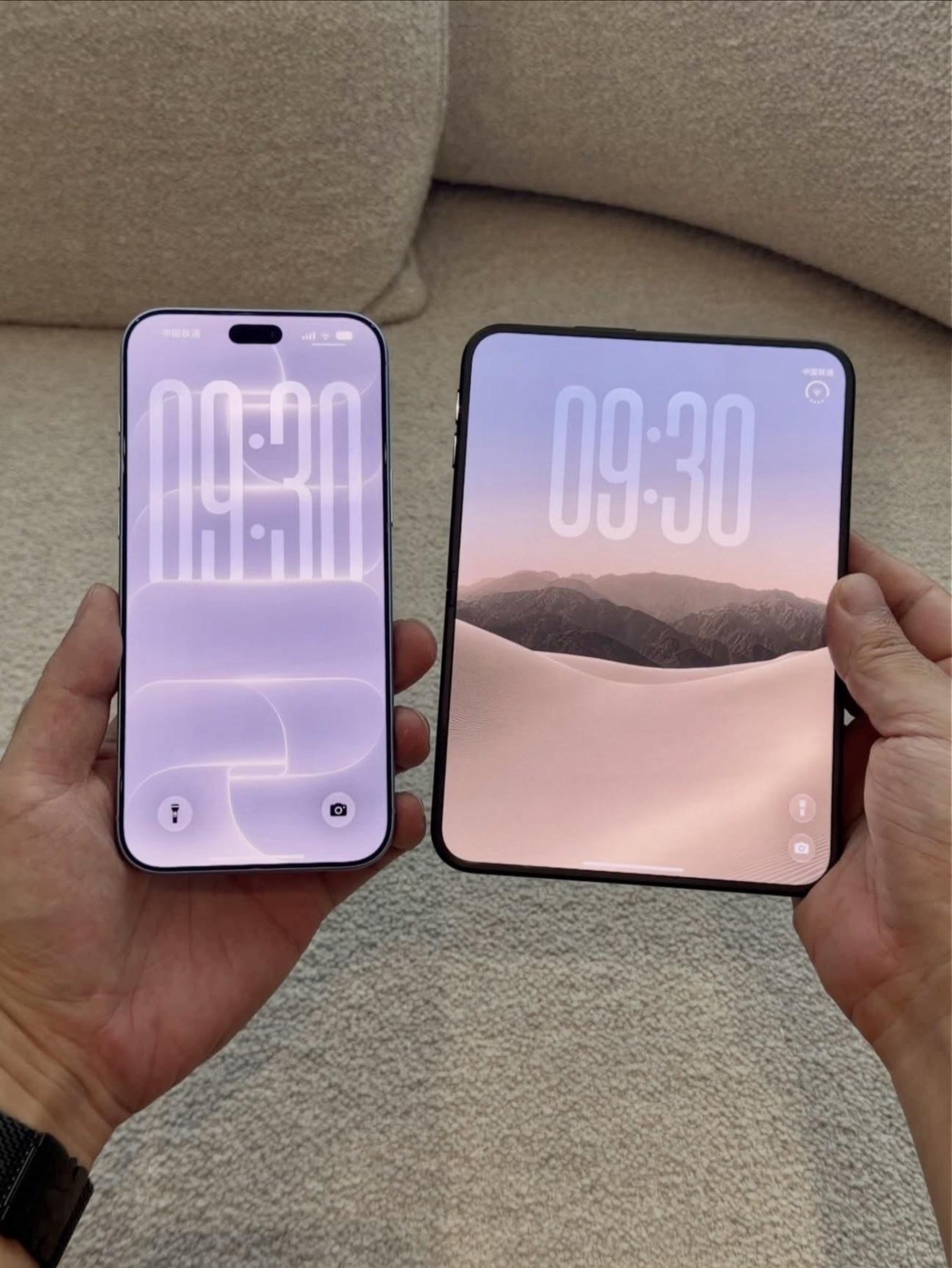
It's small. Maybe too small.
And I don't just mean the outer screen.
I have fairly large hands, and I've always felt like the Pro Max models were made for me. Even unfolded, the Duo doesn't feel as expansive as I expected.
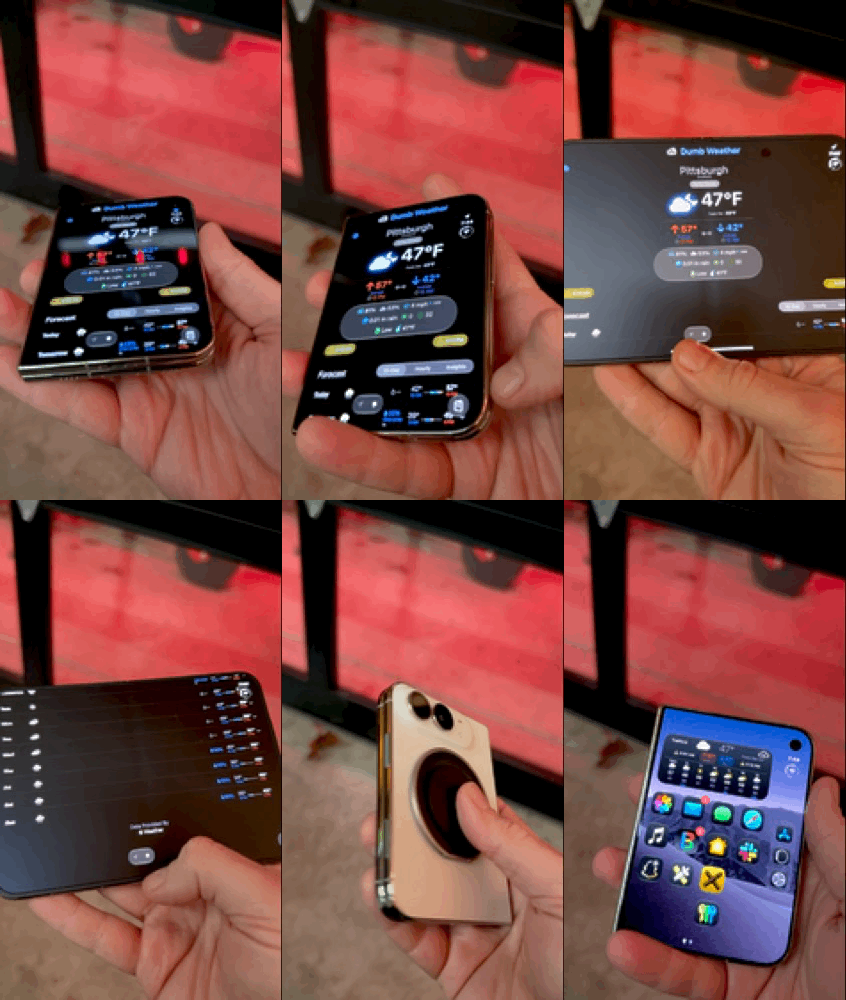
In portrait orientation, the additional width doesn't always translate into a dramatically more useful experience. Yes, the inner display has about 50% more screen area than the 18 Pro Max, but depending on what I'm doing, it doesn't necessarily feel that much bigger.
I'll probably be first in line for the inevitable iPhone Duo Max.
In reality, about 65–70% of my usage happens on the outside.
The software is still baking.
Apple is still adding features more than a month after launch, and you can tell this is a first-generation product.
I expect things to improve considerably as developers optimize their apps and Apple continues refining iOS. But it may take until the Duo 2 or Duo 3 before the company fully understands how people want to use this form factor.
See: Apple Watch.
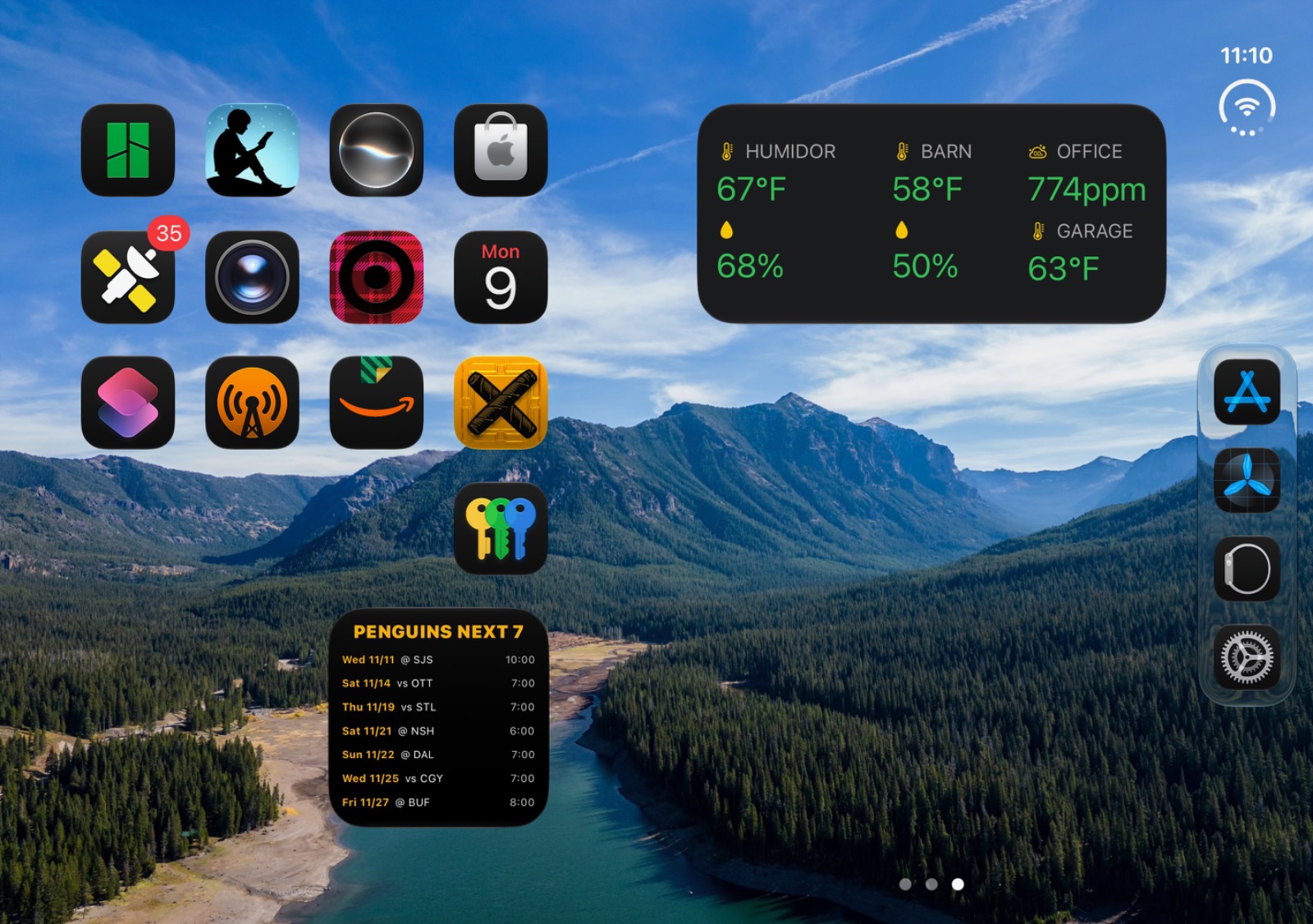
The Home Screen needs work.
This is an issue I have with iPadOS, too.
Apple gives us these large, sometimes massive displays, then wastes valuable space with overly generous icon and widget spacing. I understand the desire for a clean interface, but unused screen real estate isn't particularly useful.
Apple has recently embraced more customization, so why not take it further? Let me add more rows and columns of icons, pack widgets closer together, and put more than four apps in the Dock.
It's a simple request that would make a meaningful difference.
Why I Keep Coming Back to It
The iPhone Duo isn't perfect, and it may never be.
I heard Nilay Patel comment on The Vergecast that the Duo scratches a very specific kind of nerdy itch. That describes my feelings almost exactly.
I love experimenting with new technology and figuring out how to make it work better for me. I'm also not fundamentally opposed to changing my habits or workflows if there's something to gain from it.
That's what makes this phone so interesting.
After years of predictable upgrades, Apple has given me something that requires me to rethink how I use my most important device. There are compromises, but I actually enjoy figuring out how to work around them.
Right now, this is the phone for me. It's exactly the kind of early-adopter experience I enjoy.
I'll certainly revisit these thoughts if that changes, but I have a feeling I'll be upgrading to the next Duo, assuming Apple releases one next year.
The Good
A premium, polished device with two excellent displays, four cameras, and a crease that's remarkably difficult to see in normal use.
Clever new iOS interactions that make the iPhone feel fresh again.
Solid battery life, beautiful screens, and impressive build quality.
Missed Opportunities
Cameras: I understand the space limitations, but the two rear cameras should perform on par with the Pro lineup, even without a dedicated telephoto lens.
Colors: The iPhone 17 Pro's Cosmic Orange should have reminded Apple how much people love colorful phones. Instead, we're back to its old tricks: basically black and off-white.
Developer support: I'm not overly concerned about apps that haven't been updated yet, but Apple needs to do more to encourage developers to embrace the new format. Apps drive the experience, and neglect can kill momentum. Just look at what happened with Vision Pro.
The Bad
The price: Starting at $1,999, it's simply too expensive. Component costs and manufacturing complexity may help explain the premium, but I can't imagine Apple backing away from this starting price anytime soon.
The software: It's more than an iPhone, but not quite an iPad, and iOS still has a lot of catching up to do. Apple needs to iterate quickly before the novelty fades and the limitations become harder to ignore.
How Does the iPhone Duo Get to a 10/10?
Significant camera upgrades.
More vibrant color options.
A lower starting price.
A larger form factor.
Face ID, while retaining Touch ID.
Final Thoughts
One thing I haven't spent nearly enough time discussing is just how useful the inner screen can be in both portrait and landscape orientations.
This phone is practically origami. You can fold it, rotate it, prop it up, and interact with it in ways that simply aren't possible with a traditional iPhone.
The idea of carrying a compact phone that unfolds into something larger whenever you need it has been a science-fiction dream for decades. We're finally starting to see that vision become reality.
Ten years from now, I suspect we'll look back at the Duo as the device that started a new chapter for the iPhone.
It's a cute little phone most of the time, and it certainly catches people's attention. More importantly, it reminds me of the iPhone X: a first-generation design that wasn't necessarily the best at everything, but fundamentally changed what an iPhone could be.
Looking back, the iPhone X had plenty of shortcomings of its own. That didn't make it any less significant.
The Duo feels like that kind of product.
And right now, I'm having a great time using it.
P.S. I have an iPhone 18 Pro Max for sale.